
Here’s our essential gear guide for hiking in the Alps, suitable for intermediate and advanced hikers.
Hiking Boots
- Choose sturdy, waterproof hiking boots with ankle support for tackling varied terrains.
Backpack
- Select a comfortable, well-fitted backpack with enough capacity for your essentials. Look for features like hydration compatibility and multiple compartments.
Navigation Tools
- Carry a detailed map of the area and a compass. GPS devices or smartphones with offline maps can also be helpful.
Clothing
- Moisture-Wicking Layers: Dress in layers to regulate body temperature. Avoid cotton and opt for moisture-wicking fabrics.
- Weather-Appropriate Jacket: Bring a waterproof and windproof jacket for sudden weather changes.
Hiking Poles
- Adjustable hiking poles provide stability and support, especially when navigating uneven terrain.
Headlamp or Flashlight
- Essential for early morning or late evening hikes, as well as emergencies.
First Aid Kit
- Include basic supplies such as bandages, antiseptic wipes, pain relievers, and any personal medications.
Water and Water Filtration
- Carry sufficient water for the hike and a water filtration system for refilling from natural sources.
Nutrition
- Pack energy-boosting snacks like trail mix, energy bars, and dried fruits.
Sun Protection
- Wear a wide-brimmed hat, sunglasses, and apply sunscreen to protect against sun exposure at high altitudes.
Emergency Shelter
- A lightweight emergency shelter or space blanket can provide protection in unexpected situations.
Multi-Tool or Knife
- Useful for various tasks, including gear repairs and food preparation.
Personal Locator Beacon (PLB) or Satellite Messenger
- Consider carrying a PLB or satellite messenger for emergencies, especially in remote areas.
Trekking Socks
- Wear moisture-wicking, comfortable socks suitable for hiking. Bring extra pairs for longer hikes.
Camera or Smartphone
- Capture the breathtaking scenery but be mindful of battery life and weight.
Insect Repellent
- Depending on the season, insect repellent can be essential for preventing bites.
Emergency Whistle
- A loud whistle can be a crucial tool for signaling in case of an emergency.
Hiking Hat
- A hat with a brim provides additional sun protection for your face and neck.
Trash Bags
- Follow Leave No Trace principles and pack out all your trash.
Always check the weather forecast, trail conditions, and inform someone about your hiking plans. Additionally, make sure you’re familiar with local regulations and guidelines for hiking in the Alps. If you’re exploring more challenging or remote trails, consider taking a wilderness first aid course for additional safety knowledge.
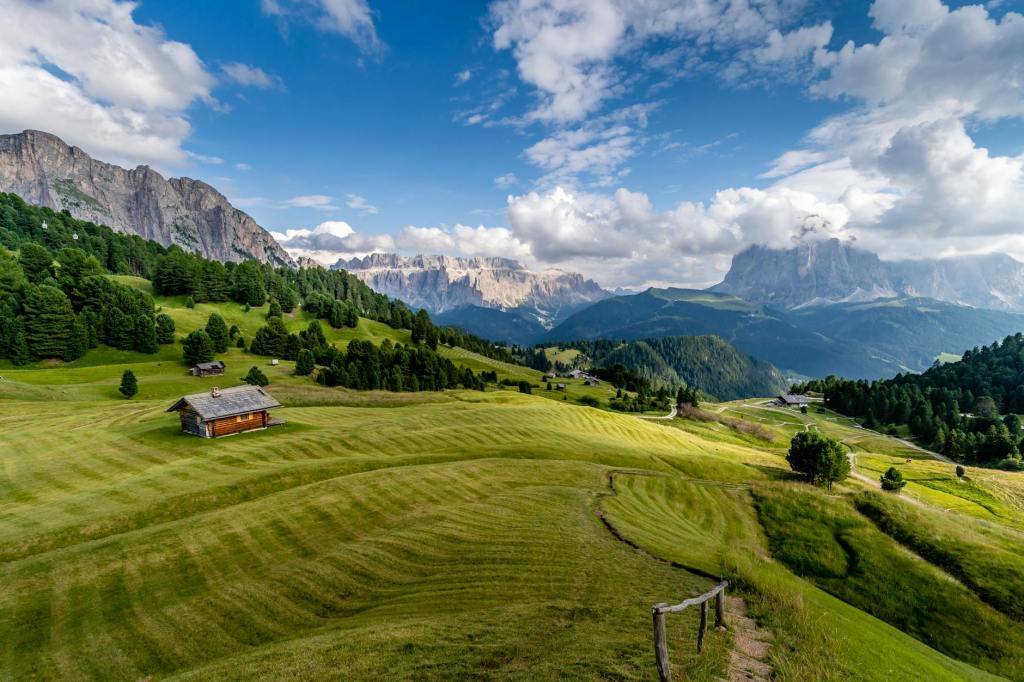
Cover Photo by Dario Brönnimann on Unsplash
 Bonjour Alps