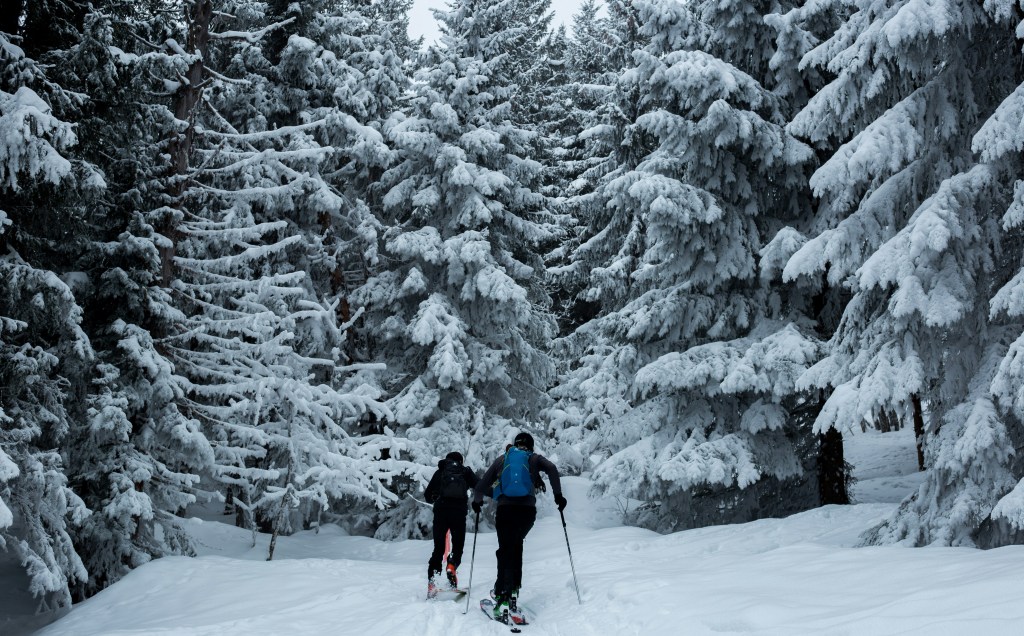
Skiing in the Alps can be an exhilarating experience, and having the right gear is crucial for both safety and enjoyment.
Here’s our guide to essential equipment for intermediate and advanced skiers in the Alps.
Skis
- Type: All-mountain skis are versatile and suitable for various conditions in the Alps. Consider your preferred skiing style (groomed runs, powder, moguls) when choosing.
Ski Bindings
- DIN Setting: Adjust the binding’s release force based on your skiing ability and weight. Consult with a professional to set it appropriately.
Ski Boots
- Fit: Get boots that fit snugly but are not overly tight. Consider custom footbeds for added comfort and performance.
- Flex: Intermediate to advanced skiers may prefer stiffer boots for better control.
Ski Poles
- Material: Lightweight aluminum or carbon fiber poles are common.
- Length: Your poles should be the correct length for your height and skiing style.
Helmet
- A well-fitting, quality helmet is essential for safety. Look for one with ventilation to regulate temperature.
Goggles
- Choose goggles with interchangeable lenses to adapt to varying light conditions. Polarized lenses can reduce glare on sunny days.
Ski Clothing
- Waterproof and Breathable Jacket and Pants: Ensure they have good insulation for colder days.
- Layering: Dress in layers to regulate body temperature. Moisture-wicking base layers are crucial.
Gloves or Mittens
- Insulated, waterproof gloves or mittens are essential for keeping your hands warm in the cold Alpine weather.
Backpack
- A small backpack can carry essentials like water, snacks, extra layers, and a first aid kit.
Avalanche Safety Gear (for off-piste skiing)
- If you plan on skiing in areas with avalanche risk, consider carrying a beacon, shovel, and probe. Take an avalanche safety course to learn how to use them.
Ski Socks
- Moisture-wicking, comfortable ski-specific socks are crucial for warmth and avoiding blisters.
Sunscreen and Lip Balm
- The high-altitude sun can be intense, even on cloudy days. Protect your skin and lips with appropriate products.
Map and Compass
- For backcountry skiing, always carry a map and compass and know how to use them.
Fitness Tracker or GPS Watch
- Track your skiing performance and stay aware of your location on the mountain.
Ski Tuning Kit
- If you’re serious about skiing, consider a tuning kit for maintaining the edges and waxing your skis.
Remember to regularly check and maintain your equipment to ensure it’s in good condition. If you’re unsure about any gear choices, seek advice from a professional or experienced skier. Additionally, always be aware of the current weather and snow conditions, and follow safety guidelines when skiing in the Alps.
Cover Photo by Victoire Joncheray on Unsplash
 Bonjour Alps