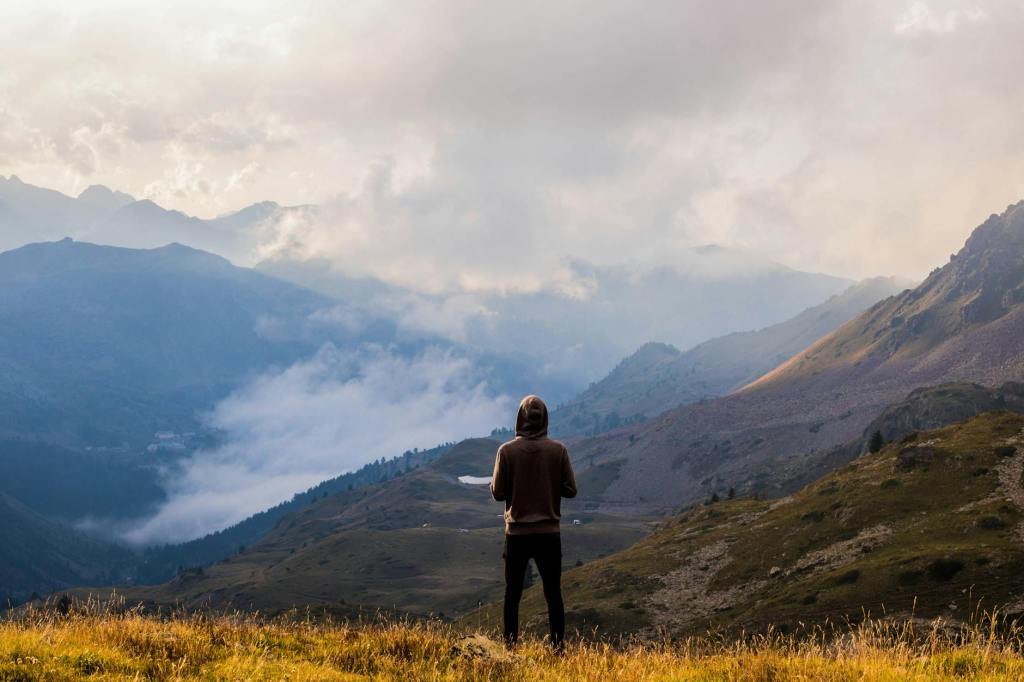
Our complete guide by air, train, bus or car.
Planning a trip to the French Alps? Whether you’re heading for the ski slopes in winter or mountain trails in summer, getting there is easier than you might think. This guide breaks down the best ways to reach the French Alps; by air, train, bus, or car (plus some helpful travel tips to make your journey smooth).
By Air: The Fastest Way to Reach the Alps
The most convenient international airport for the French Alps is Geneva International Airport (GVA), located just across the border in Switzerland. It offers a wide range of year-round flights and is well connected to many ski resorts and alpine towns.
Other nearby airports include:
- Lyon-Saint Exupéry Airport (LYS) – ideal if you’re heading to the northern Alps
- Grenoble Alpes-Isère Airport (GNB) – good for resorts like Alpe d’Huez or Les Deux Alpes
- Chambéry Airport (CMF) – operates seasonal flights during the ski season
Tips:
- Book flights early during peak ski or holiday seasons to get better prices and availability
- Use shuttle services like Mountain Dropoffs, AlpSkiBus, or Altibus to get from the airport to your resort
- Renting a car? Compare rental options in advance and check if snow chains or winter tires are required
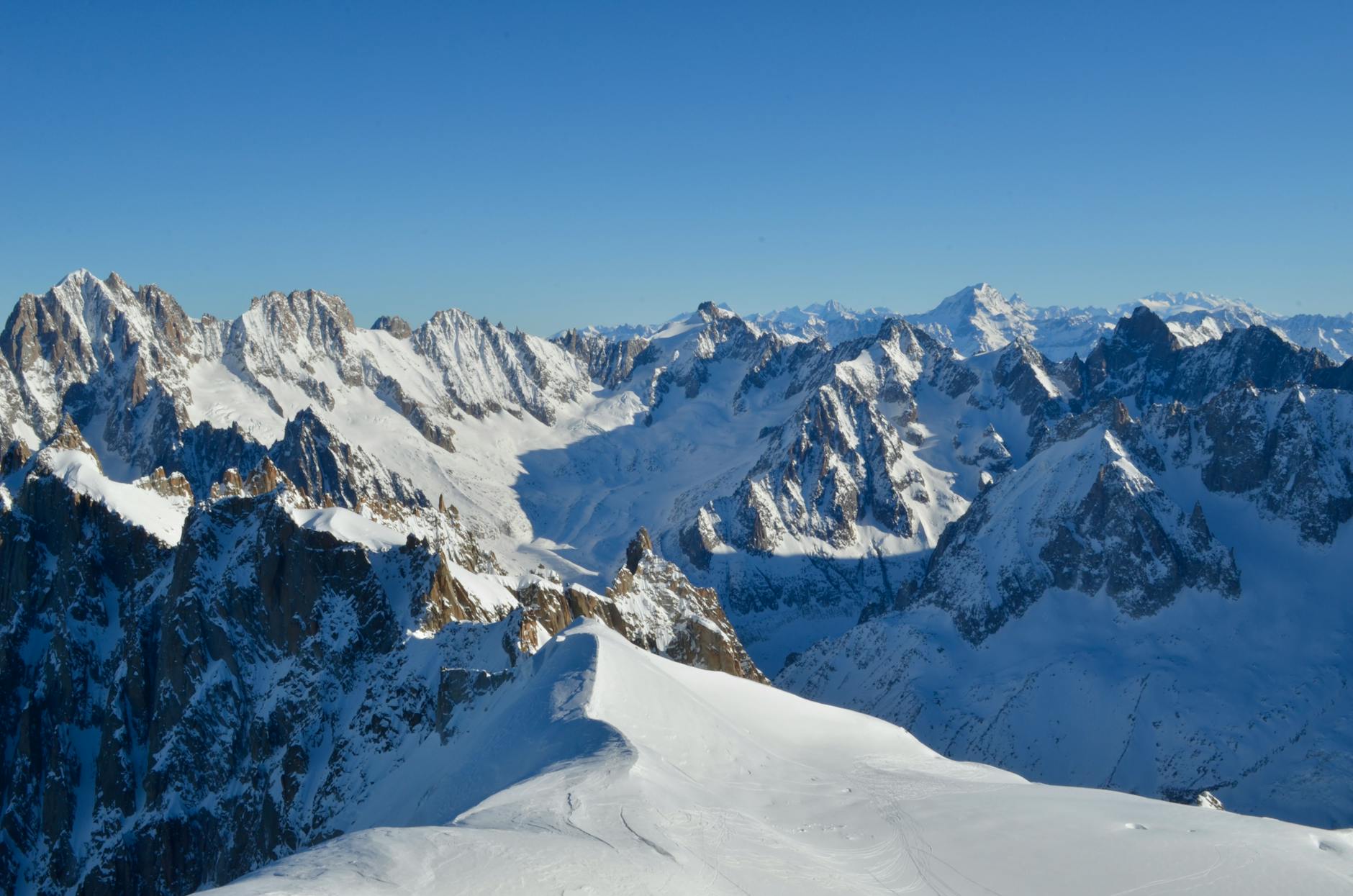
Starting your trip in Geneva? See our guide on Geneva’s best ski destinations:
By Train: Scenic and Comfortable
France’s TGV high-speed trains make it easy to travel to the Alps in comfort. You can catch direct trains from Paris, Lyon, or Marseille to towns like Annecy, Grenoble, Chambéry, and Albertville.
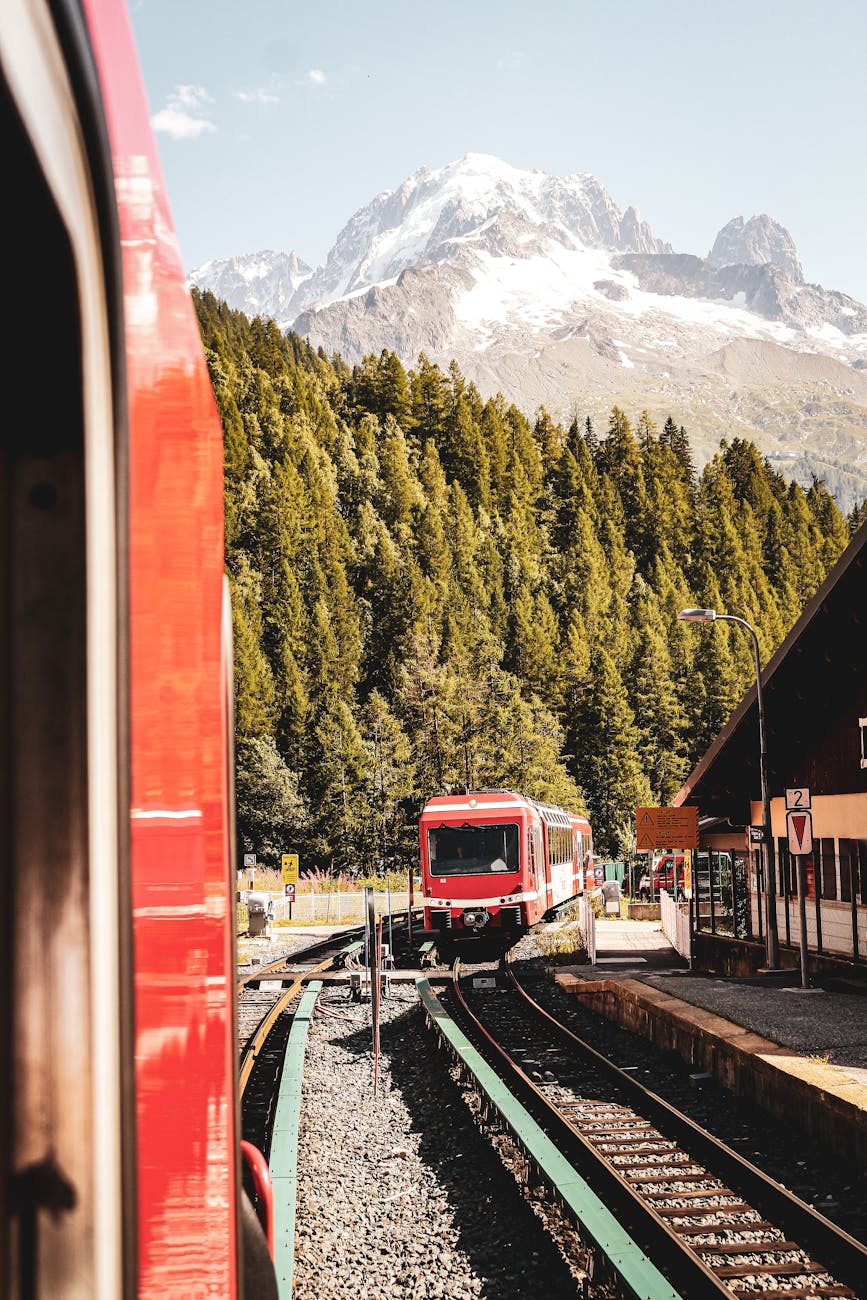
For resorts closer to Mont Blanc, regional trains and scenic routes like the Mont Blanc Express offer a more adventurous ride.
Tips:
- Book tickets in advance on SNCF Connect or Trainline for the best fares
- Travel mid-week to avoid weekend crowds during the ski season
- If traveling with luggage or skis, look into services that deliver bags to your hotel
📸 Don’t miss the views—some train routes pass through breathtaking alpine valleys.
By Bus: Budget-Friendly and Direct
If you’re traveling on a budget, long-distance bus services are a great alternative. Companies like FlixBus, BlaBlaBus, and Eurolines offer direct routes from major cities to alpine towns.
In winter, ski buses run directly from Geneva and Lyon to popular resorts like Tignes, Val d’Isère, and Chamonix.
Tips:
- Check schedules in advance, especially during shoulder season or holidays
- Regional bus networks (like Altibus) connect smaller towns and ski villages
- Buses often allow skis or snowboards for free or for a small fee
By Car: Ultimate Flexibility
Driving gives you the freedom to explore lesser-known alpine villages and scenic routes at your own pace. French roads are well-maintained, but mountain driving requires a bit of preparation, especially in winter.
Tips:
- Rent a car at the airport or major city hubs; 4WD and winter tires are recommended
- Snow chains may be mandatory in some areas (check signs or ask your rental company)
- Be ready for toll roads (autoroutes) and budget a bit extra for fuel and fees
- Use apps like Waze or Google Maps for real-time traffic and weather updates
🗺️ Pro tip: Take the Route des Grandes Alpes in summer for a stunning road trip through the mountains.
General Travel Tips for the French Alps
Sustainability: Stick to marked trails, avoid single-use plastics, and respect wildlife and the environment
Seasonal packing: Winters require layers and waterproof gear; summers call for hiking shoes, sunscreen, and a hat
Language: English is widely spoken in tourist spots, but learning a few French phrases goes a long way
Insurance: Consider travel insurance that covers winter sports and emergency evacuation
Local culture: Try the local cheese, wine, and pastries. Alpine cuisine is a highlight of any trip
Final Thoughts
The French Alps are accessible, beautiful, and packed with adventure—year-round. Whether you fly, take the train, hop on a bus, or drive yourself, the journey is part of the experience. Plan ahead, pack smart, and enjoy every switchback and summit.
 Bonjour Alps