
Discover the best ways to travel to the Dolomites by air, train, bus, or car, plus tips for a smooth and scenic journey.
- Introduction
- By Air – Your Fastest Gateway
- By Train – Scenic and Relaxed
- By Bus – Budget-Friendly Connections
- By Car – Maximum Flexibility
- General Travel Tips for the Dolomites
- FAQ
Introduction
Planning a trip to the Dolomites?
Whether you’re seeking alpine hikes in summer or snowy slopes in winter, reaching this UNESCO-listed mountain range in northern Italy is simpler than you might think. This guide breaks down the best ways to get there – by air, train, bus, or car – plus insider travel tips to make your journey smooth from start to finish.
Also see our guide to how to travel to the French Alps for other mountain travel inspiration.
By Air – Your Fastest Gateway
The nearest airport is Bolzano Airport (BZO), but flight options are limited. For more frequent connections, consider:
- Venice Marco Polo (VCE) – 3 hours by car or train+bus combo.
- Treviso (TSF) – smaller and often cheaper than Venice.
- Verona Villafranca (VRN) – 2.5–3 hours to major Dolomite towns.
Tips:
- Book early for peak travel seasons.
- Arrange car hire or shuttles in advance, especially for remote villages.
- Flying into Innsbruck (Austria) can be a good alternative for the northern Dolomites.
If you’re planning a multi-stop trip, check out our Venice to the Alps travel guide for route ideas
By Train – Scenic and Relaxed
Mainline stations serving the Dolomites include Bolzano, Brixen (Bressanone), and Brunico (Bruneck). Trains from Venice, Verona, or Innsbruck connect you to these hubs.
Tips:
- Book tickets early via Trenitalia or ÖBB for the best fares.
- Choose daytime travel for the most scenic views.
- Combine with local buses for the last leg to your accommodation.
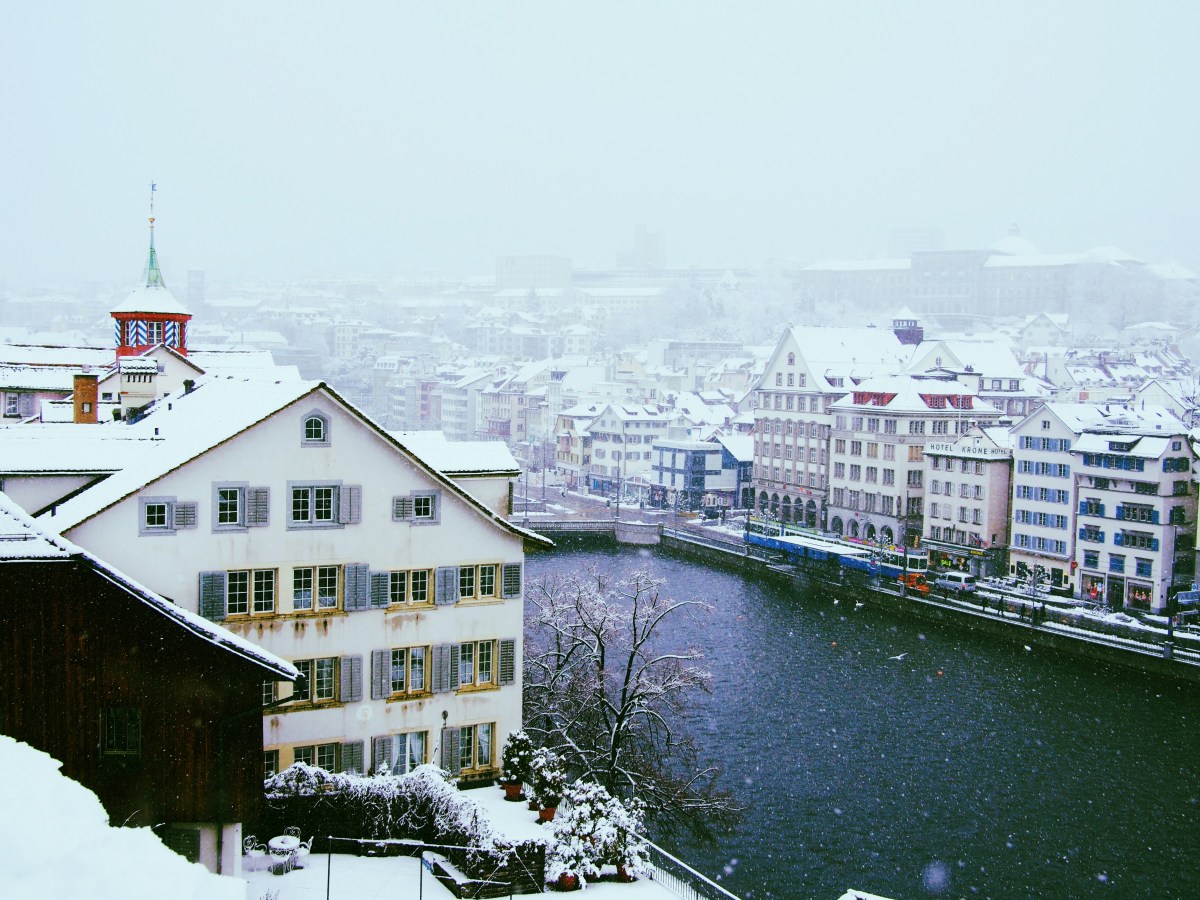
For scenic European rail inspiration, see our Zurich to the Alps train guide
By Bus – Budget-Friendly Connections
Buses link major train stations to smaller towns, ski resorts, and hiking areas. Companies like FlixBus and regional operators run services year-round.
Tips:
- Check seasonal schedules—services to certain mountain passes only run in summer.
- If on a budget, buses can be significantly cheaper than trains or car hire.
If you’re heading to Cortina d’Ampezzo, view our Cortina winter travel guide

By Car – Maximum Flexibility
Driving allows you to reach secluded valleys, scenic passes, and trailheads at your own pace. The Dolomites’ road network is excellent, but mountain conditions can change quickly.
Tips:
- Rent from airports or major hubs, request winter tyres or chains in colder months.
- Watch for Passo chiuso (pass closed) signs during snow season.
- Budget for tolls, fuel, and parking, especially in popular spots like Cortina d’Ampezzo.
If you’re combining Dolomites travel with the French or Swiss Alps, see our road trip itinerary ideas.
General Travel Tips for the Dolomites
- Sustainability: Stay on marked trails, avoid littering, and support local businesses.
- Seasonal Packing:
- Summer: sturdy hiking boots, sun protection, and hydration packs.
- Winter: thermal layers, waterproof gear, and avalanche safety equipment for backcountry trips.
- Language: Italian and German are common. Learning a few key phrases in Italian can go a long way.
- Insurance: Ensure it covers mountain activities and alpine rescue.
For seasonal inspiration, check out our best time to visit the Alps guide.
FAQ
When is the best time to visit the Dolomites?
- Summer (June–September) for hiking, climbing, and cycling.
- Winter (December–March) for skiing and snow sports.
Read more in our Dolomites hiking season guide.
Do I need a car to explore the Dolomites?
Not strictly – trains and buses cover much of the region, but a car offers maximum flexibility, especially for remote valleys.
What’s the closest airport to the Dolomites?
Bolzano is closest but limited; Venice, Verona, and Innsbruck are better for international arrivals.
Is public transport reliable in the Dolomites?
Yes, but it’s more frequent in summer and winter peak seasons – less so during shoulder months.
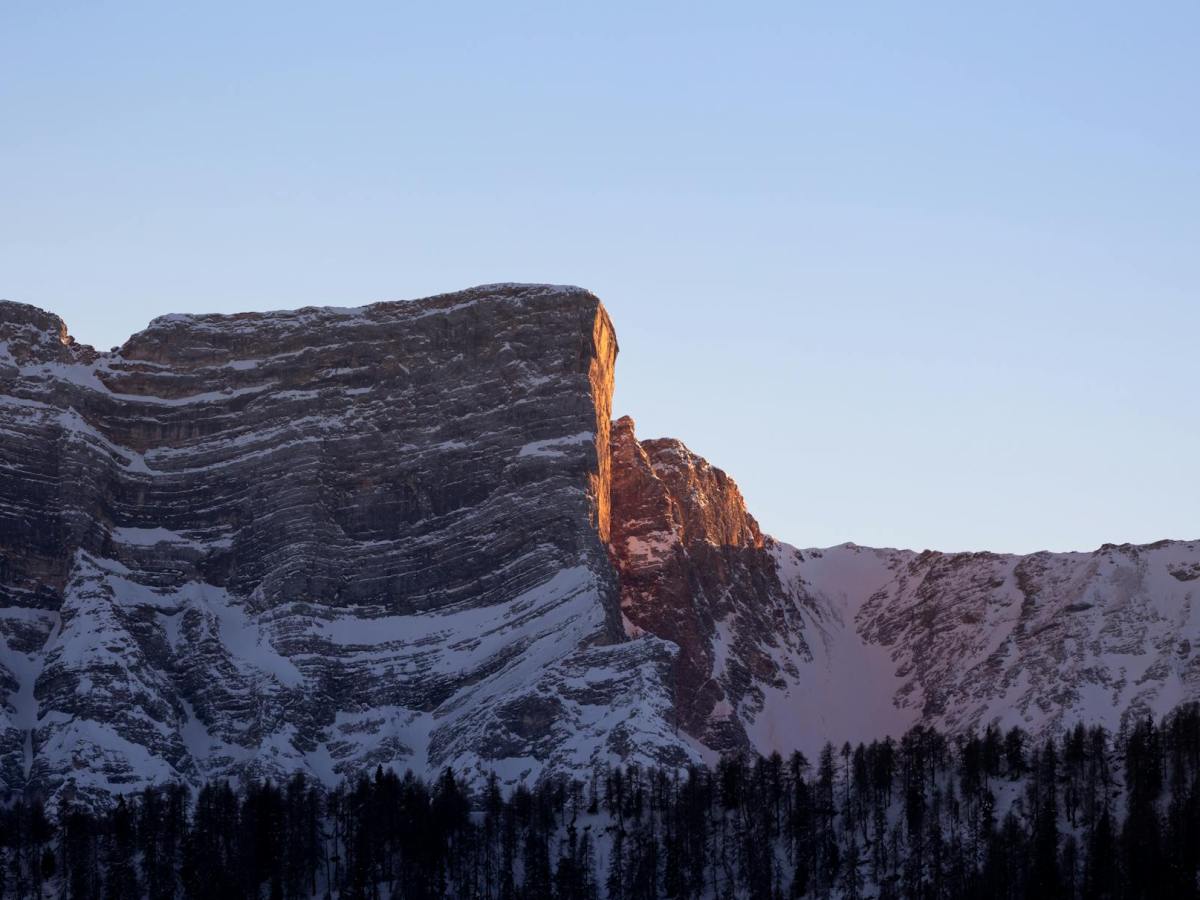
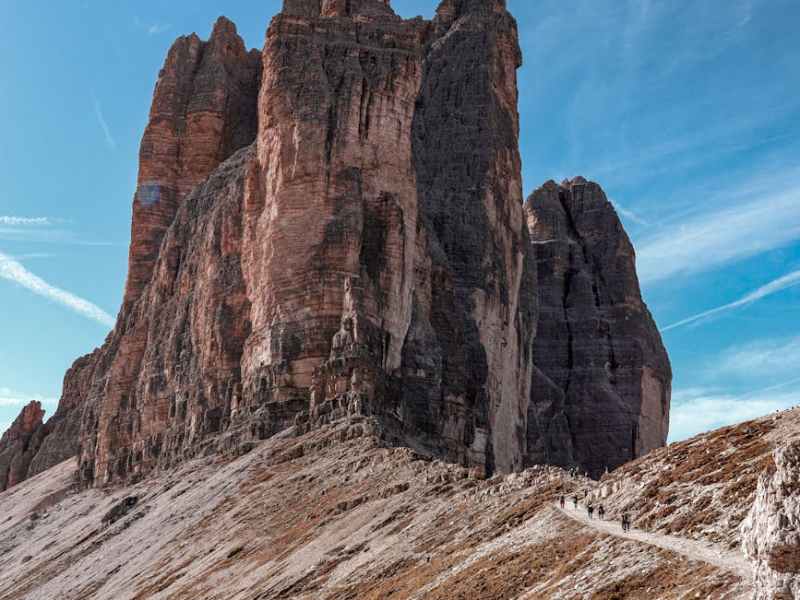
Cover Photo by Nicola Pavan on Unsplash
 Bonjour Alps