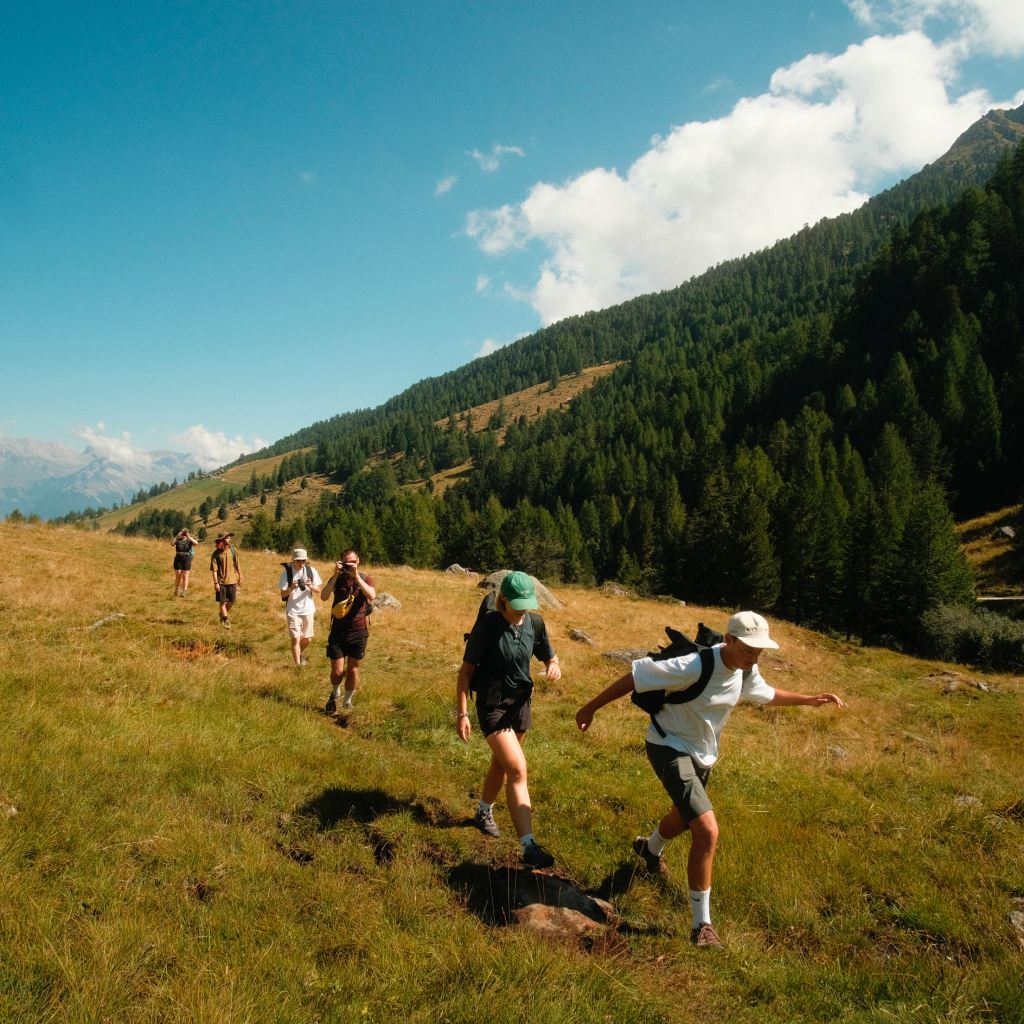
Switzerland, known for its stunning scenery and picturesque landscapes, offers an array of hiking opportunities for adventure enthusiasts. Here are five of the best hikes in Switzerland, accompanied by essential tips to ensure an enjoyable and safe experience for seasoned hikers:
The Eiger Trail: Embark on a mesmerizing journey beneath the legendary Eiger North Face. This moderately challenging hike provides awe-inspiring views of the surrounding mountains, including the Jungfrau. Don’t forget to carry sufficient water, sturdy hiking boots, and a camera to capture the breathtaking moments.
The Haute Route: For experienced hikers seeking a multi-day alpine adventure, the Haute Route linking Chamonix in France to Zermatt in Switzerland is a must-try. This demanding trek is renowned for its spectacular vistas of the Mont Blanc massif and Swiss Alps. Adequate preparation, including physical fitness training, proper equipment, and navigation skills, is essential for a successful endeavor.
The Five Lakes Trail: Situated in the Pizol region, this family-friendly hike leads you to a series of stunning mountain lakes. Marvel at the crystal-clear waters reflecting the surrounding peaks as you traverse well-marked trails. It’s advisable to carry a picnic lunch, sunscreen, and bug repellent, especially during the summer months.
The Schynige Platte to First: Offering panoramic views of the Bernese Oberland, this hike takes you through lush meadows, enchanting forests, and rugged terrain. Capture the beauty of the Swiss Alps and the famous Eiger, Mönch, and Jungfrau peaks along the way. Remember to pack rain gear, as the weather can change abruptly at higher altitudes.
The Aletsch Glacier Trail: Explore the largest glacier in the Alps, a UNESCO World Heritage site, on this unforgettable hike. The trail meanders along the edge of the Aletsch Glacier, presenting awe-inspiring vistas of ice formations, snow-capped peaks, and alpine flora. Don’t forget to bring warm clothing, sunglasses, and crampons for safe glacier walking.
Remember, regardless of the hiking trail you choose, it’s crucial to check weather conditions, follow local guidelines, and respect the environment. Stay hydrated, carry a map or GPS
What to Pack
When hiking in the Swiss Alps, it’s important to be well-prepared and pack accordingly. Here is a list of essential items to bring with you:
Hiking boots: Invest in a sturdy pair of hiking boots that provide ankle support and have a good grip. Make sure they are broken in before your hike to avoid blisters.
Layered clothing: The weather in the Swiss Alps can change quickly, so pack lightweight, moisture-wicking clothing that can be layered. This allows you to adjust your clothing according to the temperature and your activity level.
Rain gear: Carry a waterproof jacket and pants to protect yourself from rain showers. This is especially important when hiking at higher altitudes, where weather conditions can be unpredictable.
Warm clothing: Even in the summer months, temperatures can drop significantly in the mountains. Pack a warm fleece or down jacket, a hat, and gloves to stay warm in chilly conditions.
Sun protection: The sun’s rays can be intense at higher altitudes. Pack a wide-brimmed hat, sunglasses with UV protection, and sunscreen with a high SPF to protect your skin from sunburn.
Backpack: Choose a comfortable backpack with a capacity that is suitable for the length of your hike. Make sure it has padded straps and a waist belt for proper weight distribution.
Food and water: Carry enough water to stay hydrated throughout your hike, as water sources may be limited. Pack nutritious snacks and a packed lunch if necessary.
Navigation tools: Bring a detailed map of the area or a GPS device to ensure you stay on the right trail. It’s also a good idea to have a compass and a whistle for emergencies.
First aid kit: Pack a basic first aid kit with bandages, blister pads, pain relievers, and any necessary personal medication.
Cash and identification: Carry some cash, as some huts or mountain restaurants may not accept card payments. Also, bring a form of identification in case of emergencies.
Remember to check the weather forecast and trail conditions before setting out, and let someone know your hiking plans. Stay safe, respect the environment, and enjoy the breathtaking beauty of the Swiss Alps!
Cover Photo by Aurelien Thomas on Unsplash
 Bonjour Alps